

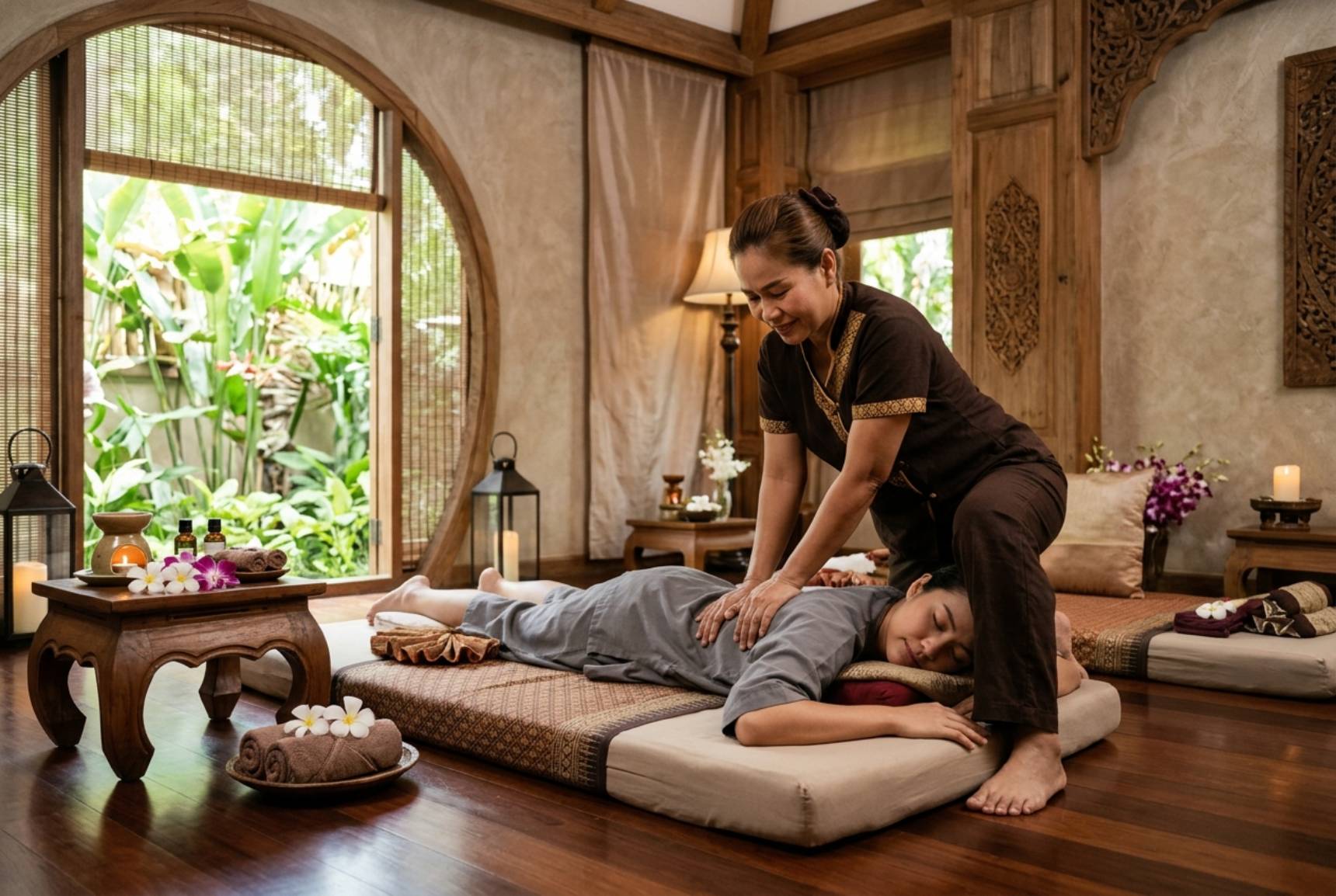
In the world of holistic wellness, the journey toward relaxation extends beyond soothing tired muscles. It involves creating harmony between the body and mind, encouraging a deeper awareness of physical sensations, and making space for balance in everyday life. Rooted in Thailand’s rich traditions of healing and bodywork, Thai massage offers a distinctive approach to well-being through mindful touch, rhythmic pressure, assisted stretching, and an understanding of the body’s interconnected systems.
One concept often associated with traditional Thai massage is the Sen energy line system, sometimes described as energy pathways or meridians. These pathways provide a traditional framework for understanding how practitioners approach tension, movement, and relaxation throughout the body. By incorporating techniques inspired by this philosophy, Thai massage can offer a restorative experience that encourages physical ease and mental calm.
At House of Pridi Spa, the philosophy of holistic wellness inspires a thoughtful approach to self-care, where each treatment offers an opportunity to slow down, reconnect with the body, and enjoy a moment of personal renewal.
Understanding Thai Meridian Therapy and Energy Pathways
Thai meridian therapy draws inspiration from traditional Thai healing practices, particularly the concept of Sen lines. In traditional Thai medicine, these pathways are described as channels through which vital energy, commonly referred to as lom, is believed to circulate throughout the body.
Although the concept shares similarities with energy meridians found in other Asian healing traditions, the Thai Sen system has its own cultural background and methods of application. Traditional practitioners use this framework to guide specific massage techniques, applying pressure along selected areas of the body and combining it with stretching and rhythmic movements.
Unlike a conventional relaxation massage that may focus primarily on surface-level muscle tension, traditional Thai massage often considers how different areas of the body work together. Practitioners may address the feet, legs, hips, back, shoulders, arms, and neck through a coordinated sequence of movements designed to encourage mobility and relaxation.
It is important to understand that Sen lines are part of a traditional healing model rather than scientifically established anatomical structures. Their value in Thai massage lies in the cultural philosophy and practical techniques they help inform, while the physical benefits of massage can be understood through effects on muscle tension, movement, comfort, and stress.
The Traditional Sen Lines: A Holistic Perspective
Thai traditional medicine describes numerous Sen lines, although particular attention is often given to ten principal pathways known as Sen Sib. These pathways form an important part of the traditional framework used to explain how practitioners approach the body during Thai massage.
Rather than treating every area as an isolated part, this perspective encourages practitioners to consider the relationship between different regions of the body. For example, tension around the shoulders may be considered alongside posture, upper-back mobility, and the way a person moves throughout the day.
In practice, a Thai massage session may involve applying gentle or firm pressure along selected muscle groups, using the palms, thumbs, or other appropriate parts of the hands. Assisted stretches may also be incorporated to support comfortable movement and flexibility.
The objective is not simply to apply pressure to a particular point. It is to create a balanced sequence of touch and movement that responds to the individual’s comfort, physical condition, and relaxation goals.
For guests seeking a traditional Thai wellness experience, this integrated approach offers a meaningful way to reconnect with the body and appreciate the relationship between movement, rest, and overall well-being.
How Thai Meridian-Inspired Massage Supports Relaxation
One of the most appealing aspects of Thai massage is its combination of rhythmic pressure, mindful touch, and movement. When performed by a suitably trained practitioner, these techniques can contribute to several aspects of physical and mental well-being.
1. Encouraging Muscle Relaxation
Modern lifestyles often involve prolonged sitting, repetitive movements, and extended periods spent using computers or mobile devices. Over time, these habits can contribute to feelings of tightness in the neck, shoulders, lower back, and hips.
Thai massage techniques may help ease this sense of muscular tension through controlled pressure, gentle compression, and assisted stretching. Working across selected muscle groups can encourage a feeling of physical comfort and relaxation.
The traditional concept of working along Sen lines gives the treatment a structured approach, while the practical massage techniques focus on the body’s soft tissues and movement.
2. Supporting Flexibility and Mobility
Traditional Thai massage is distinctive because it often incorporates assisted stretching. Depending on the treatment and the guest’s needs, a practitioner may guide the arms, legs, hips, or back through comfortable ranges of motion.
These movements can help improve short-term flexibility and make everyday movement feel easier for some people. The combination of stretching and massage may be particularly appealing to individuals who experience stiffness after sitting for long periods or engaging in physical activity.
Every movement should remain within a comfortable range. A professional treatment should never require a guest to tolerate sharp pain or excessive force.
3. Promoting a Sense of Circulation and Warmth
Massage involves mechanical stimulation of the skin and underlying soft tissues. It may temporarily influence local blood flow and create a pleasant sensation of warmth in the treated areas.
Within traditional Thai wellness philosophy, working along the Sen pathways is associated with encouraging the movement of vital energy. From a modern perspective, it is more accurate to discuss the physical sensations and potential relaxation effects of massage rather than claim that it clears blocked energy channels.
This combination of traditional understanding and practical bodywork allows guests to appreciate the experience without confusing traditional beliefs with established medical explanations.
4. Helping Reduce Everyday Stress
Stress can affect the body in many ways, including increased muscle tension, restlessness, and difficulty unwinding after a demanding day.
A calm massage environment, attentive touch, and an uninterrupted period of rest may help the body settle into a more relaxed state. Some people find that massage supports a sense of calm, reduces perceived stress, and improves their overall mood.
The traditional emphasis on balanced energy offers an additional way to approach this experience. Rather than focusing exclusively on physical discomfort, Thai massage invites guests to slow down and pay attention to how their bodies feel.
5. Reconnecting the Body and Mind
Wellness is not always about addressing a specific physical concern. Sometimes, it means stepping away from daily responsibilities and allowing time for rest.
During a Thai massage session, guests may become more aware of their breathing, posture, muscular tension, and habitual movement patterns. This awareness can encourage a more thoughtful relationship with the body.
When combined with a peaceful environment and a practitioner who respects individual preferences, the experience can become a valuable part of a broader self-care routine.
The Role of Pressure, Stretching, and Mindful Touch
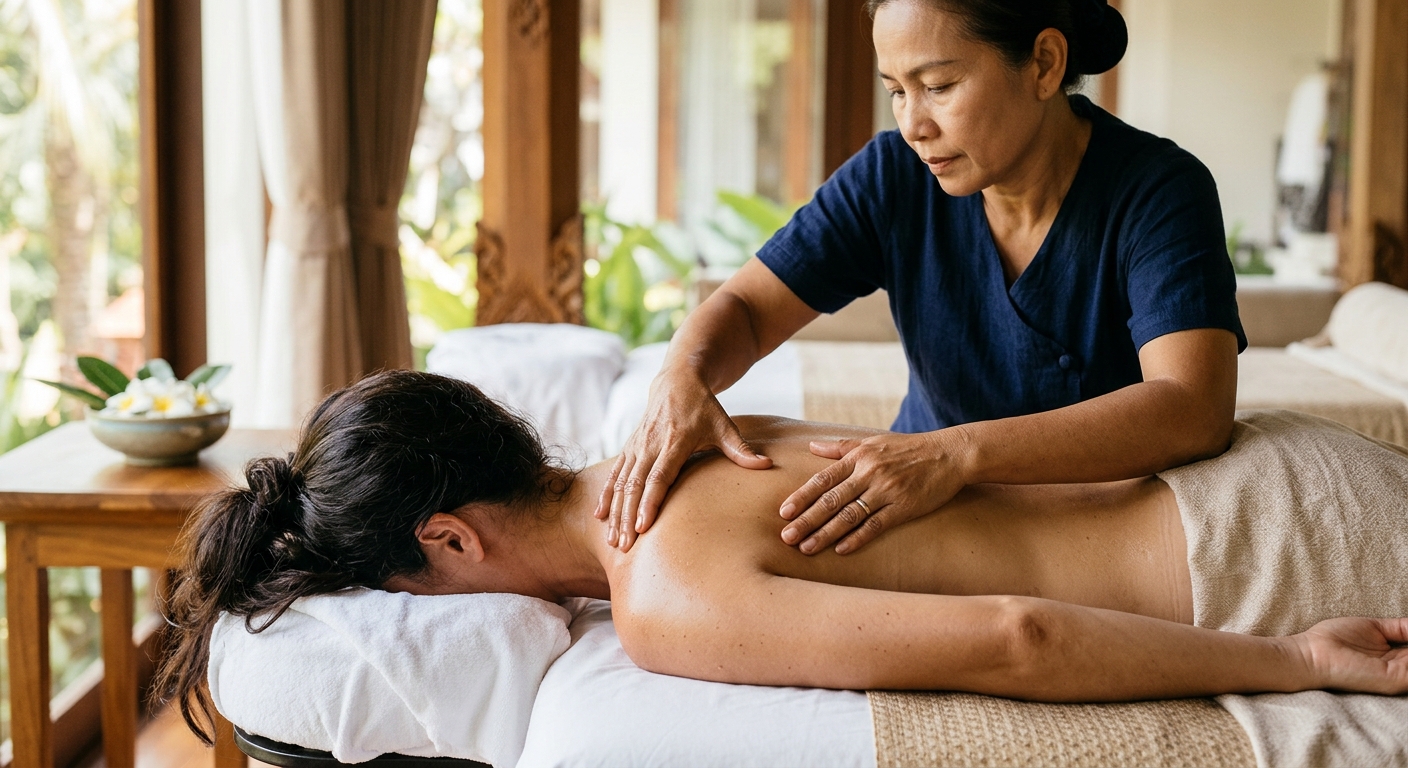
Thai meridian-inspired bodywork is not defined by pressure alone. Its distinctive character comes from the way different techniques are combined to create a continuous and balanced treatment.
Rhythmic pressure may be applied to selected areas using the palms, thumbs, or fingers, depending on the technique and the guest’s comfort. The pressure is adjusted to help avoid unnecessary discomfort.
Assisted stretching introduces gentle movement into the session. These stretches may target areas such as the hips, legs, shoulders, and back, helping guests experience a greater sense of openness and mobility.
Mindful touch encourages a slower, more attentive approach to treatment. Rather than rushing between techniques, the practitioner can observe how the guest responds and adapt the session accordingly.
Breath awareness can also complement relaxation. Guests may be encouraged to breathe naturally and communicate whenever a position or movement feels uncomfortable.
Together, these elements create an experience that combines traditional Thai bodywork with a practical focus on comfort, mobility, and relaxation.
What Happens During a Thai Meridian-Inspired Treatment?
Although every spa and practitioner may use a different approach, a Thai massage session inspired by the Sen line philosophy generally follows a thoughtful sequence.
Step 1: Consultation and Personalisation
The experience begins with a conversation about the guest’s preferences, comfort level, and wellness goals. The practitioner may ask about areas of tension, sensitivity to pressure, mobility limitations, and any relevant health considerations.
This initial discussion helps establish the appropriate techniques and identifies movements that should be avoided or modified.
Step 2: Preparing the Body for Relaxation
The session begins with gentle contact and gradual movements that allow the guest to settle into the experience. Depending on the treatment, the practitioner may start with the feet and lower legs before moving to other areas.
The purpose is to establish a comfortable rhythm rather than immediately applying deep pressure.
Step 3: Working Along Selected Pathways
Guided by traditional Thai massage principles, the practitioner applies pressure along selected areas associated with the Sen line system. The sequence may involve the legs, hips, back, shoulders, arms, and other regions, depending on the treatment.
Pressure should be adapted to the guest’s comfort and physical condition. Traditional techniques are not a reason to disregard pain, sensitivity, or individual limitations.
Step 4: Incorporating Gentle Stretching
Where appropriate, assisted stretches may be introduced to encourage comfortable movement. These can be adapted to the guest’s flexibility and experience with massage.
Communication is essential throughout this stage. A relaxing treatment should feel supportive rather than forceful.
Step 5: Allowing Time for Rest
A gradual conclusion gives the guest an opportunity to transition from the treatment into a relaxed state. Taking a few moments to sit up slowly, drink water if desired, and notice how the body feels can help complete the experience.
At House of Pridi Spa, a considered approach to wellness can make these small moments of care an important part of the overall spa journey.
Thai Meridian Therapy and the Modern Wellness Lifestyle
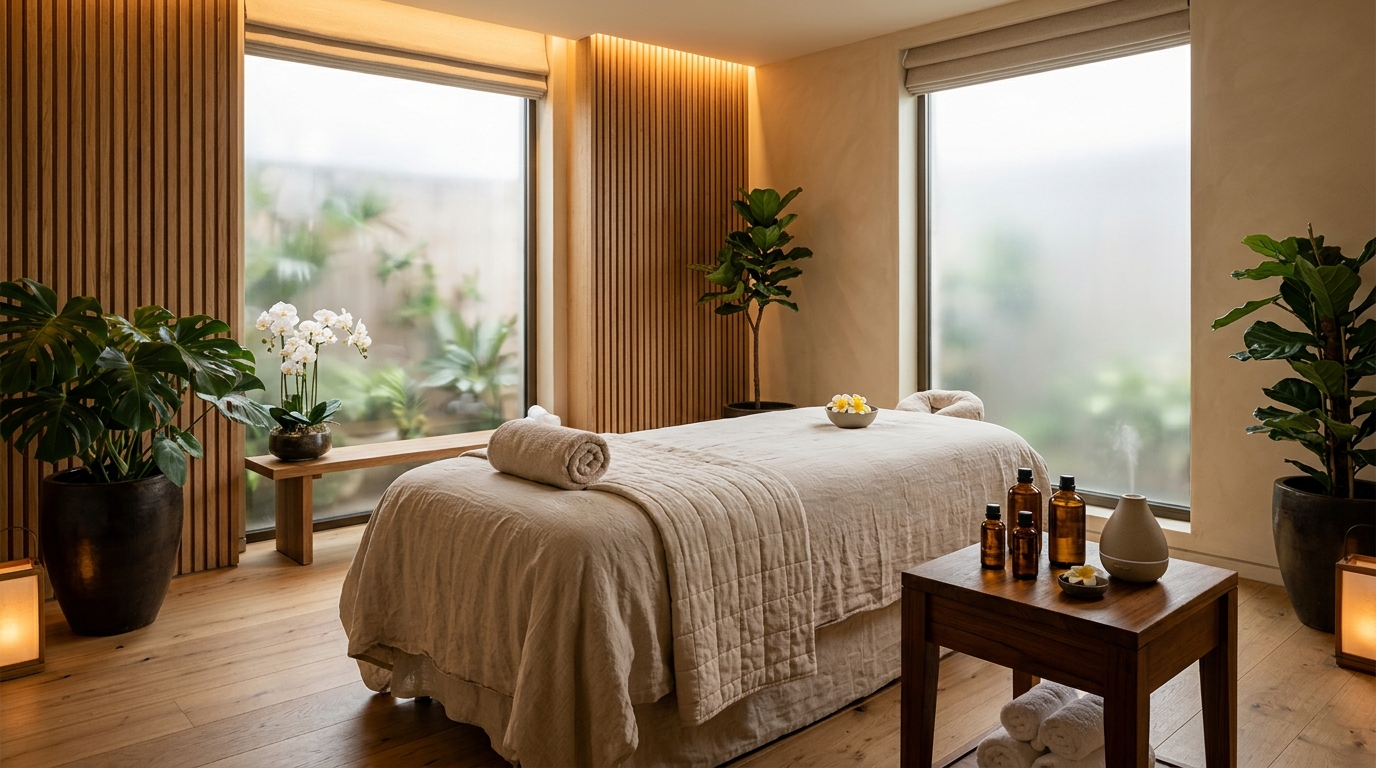
The appeal of Thai massage extends beyond traditional healing philosophy. Its emphasis on movement, touch, and relaxation makes it relevant to many modern lifestyles.
For People Who Spend Long Hours at a Desk
Office work can involve prolonged sitting and repetitive movements that leave the shoulders, back, and hips feeling stiff. A suitable massage may help ease muscular tension and encourage a greater sense of physical comfort.
Regular movement breaks, ergonomic adjustments, and appropriate stretching remain important parts of managing the effects of prolonged sitting.
For Active Individuals
People who exercise, walk extensively, or maintain physically demanding routines may appreciate massage as part of their general recovery and relaxation practices.
Gentle massage may help reduce perceived muscle soreness and support comfort. However, massage should not be viewed as a substitute for appropriate injury assessment, rehabilitation, or recovery planning.
For Those Seeking a Mental Reset
A spa visit offers an opportunity to create distance from the constant demands of work and daily life. A quiet setting, attentive treatment, and time away from screens may help guests feel more settled.
The traditional idea of restoring balance can provide a meaningful framework for this experience, encouraging people to approach wellness as an ongoing practice rather than a single treatment.
For Anyone Looking to Build a Self-Care Routine
Wellness becomes more sustainable when it is supported by everyday habits. Massage can complement regular physical activity, adequate sleep, balanced nutrition, and relaxation practices.
There is no single schedule that works for everyone. The frequency of spa treatments should reflect personal preferences, budget, physical needs, and professional guidance where relevant.
The Importance of a Personalised Thai Massage Experience
No two guests arrive at a spa with exactly the same needs. Some prefer gentle, flowing movements, while others enjoy firmer pressure or more stretching. Some seek a quiet escape from a busy schedule, while others are primarily interested in easing everyday muscular tightness.
A personalised approach recognises these differences.
Before treatment, guests should feel comfortable explaining their preferences and any relevant health concerns. During the session, they should be able to request adjustments to pressure, positioning, or technique at any time.
Deep pressure is not automatically more effective, and discomfort should not be treated as proof that a treatment is working. The most appropriate experience is one that respects the guest’s boundaries while delivering the intended level of relaxation.
For those new to traditional Thai massage, starting with gentle pressure and gradually exploring different techniques can be a useful way to discover personal preferences.
Integrating Traditional Wisdom with Contemporary Wellness
Traditional Thai massage reflects generations of cultural knowledge about touch, movement, and the experience of the body. The Sen line system remains an important part of this heritage, providing a traditional framework through which practitioners understand and organise certain massage techniques.
Contemporary wellness can appreciate this heritage while maintaining a clear distinction between traditional concepts and scientific evidence.
The existence of Sen lines as described in traditional Thai medicine has not been established as an anatomical fact, and claims about removing energy blockages or treating disease should be approached cautiously. Nevertheless, massage techniques associated with Thai bodywork can offer practical benefits related to relaxation, comfort, and movement.
This balanced perspective allows the cultural significance of Thai massage to be respected without making unsupported medical claims.
At its best, holistic wellness brings together tradition, professional skill, personal comfort, and a thoughtful understanding of individual needs.
Creating Space for Balance at House of Pridi Spa
At House of Pridi Spa, wellness is an invitation to pause, reconnect, and make time for yourself. Through a considered selection of massage treatments, facials, hair spa experiences, and expert haircuts, the spa offers guests an opportunity to step away from everyday pressures and enjoy a more personal approach to self-care.
The philosophy behind Thai meridian therapy complements this wider vision. It encourages an appreciation of the relationship between movement and rest, the importance of attentive touch, and the value of giving the body time to relax.
Whether you are exploring traditional Thai massage for the first time or looking to make wellness a more regular part of your lifestyle, choosing a treatment that suits your preferences is an important first step.
A meaningful spa experience does not need to promise dramatic transformation. Sometimes, its greatest value lies in the simple opportunity to breathe more easily, release the tension of a demanding day, and leave feeling refreshed.
A More Mindful Approach to Everyday Well-Being
Unlocking energy pathways is a traditional way of describing the pursuit of balance through Thai bodywork. While the language of energy belongs to a traditional healing framework, the experience of massage can also be appreciated through its potential to support relaxation, physical comfort, and awareness of the body.
By combining thoughtful techniques with a personalised approach, Thai massage offers a distinctive expression of Thailand’s wellness heritage.
At House of Pridi Spa, every moment dedicated to self-care can become an opportunity to slow down and restore a sense of calm. Explore the possibilities of massage, facial care, and hair spa treatments, and discover how small moments of relaxation can become a meaningful part of a more balanced lifestyle.
Reconnect with yourself, embrace the art of mindful relaxation, and make space for well-being at House of Pridi Spa.