

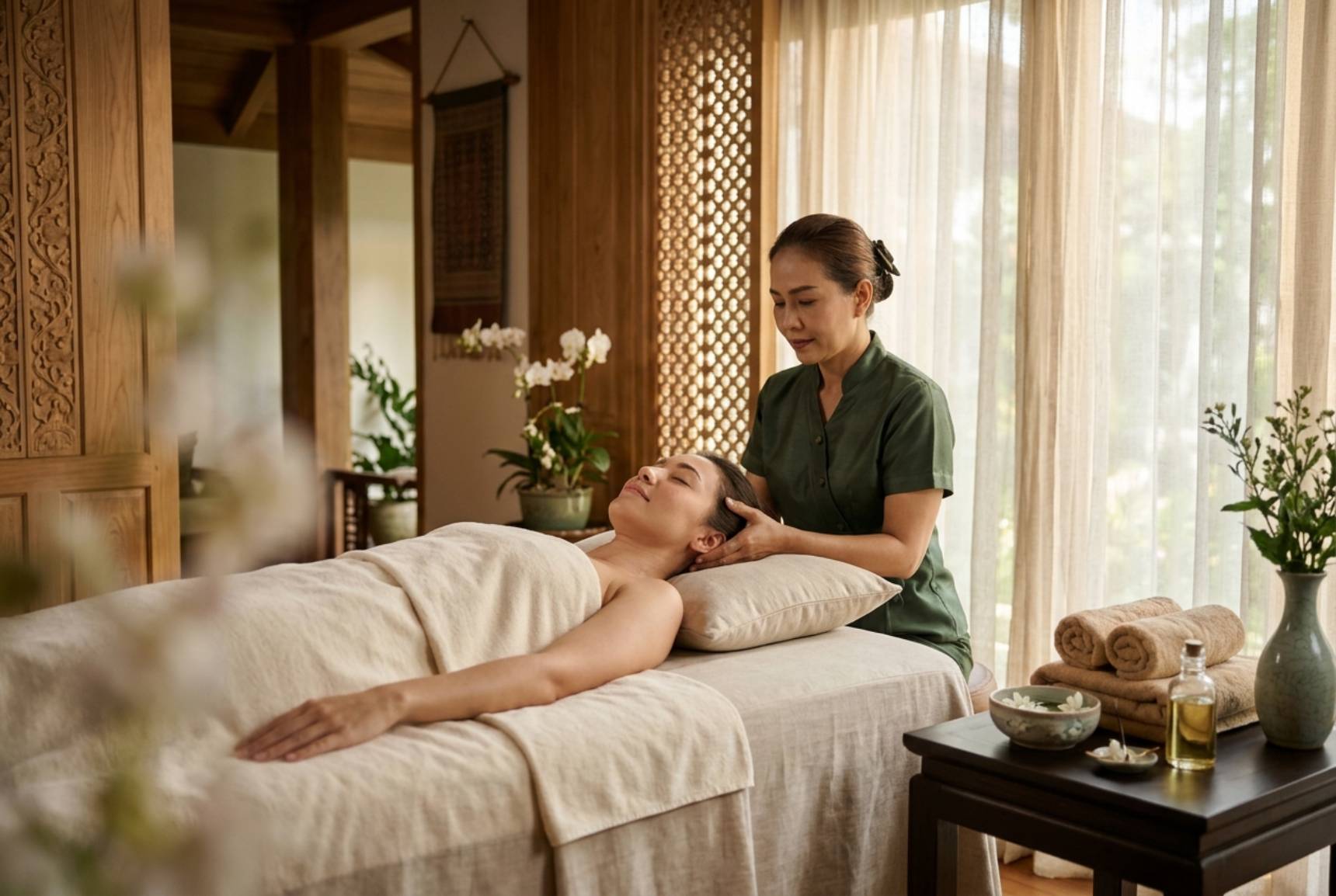
In a world defined by constant notifications, crowded schedules, and the pressure to remain productive, moments of genuine stillness have become increasingly valuable. Many people seek more than physical relaxation when visiting a spa. They want an opportunity to quiet their thoughts, reconnect with themselves, and experience a sense of balance that extends beyond the treatment room.
This is where meditation-inspired spa treatments offer a meaningful approach to wellness. By incorporating mindful breathing, intentional touch, soothing sounds, aromatic experiences, and unhurried rituals, a spa experience can become more than a beauty or massage treatment. It can be an invitation to pause, become present, and appreciate the connection between the mind and body.
At House of Pridi, where traditional Thai wellness meets contemporary spa experiences, the philosophy of stillness offers a beautiful perspective on self-care. From the gentle rhythm of an aroma oil massage to the calming sensations of a head spa, small moments of awareness can help make personal wellness feel more intentional and restorative.
Understanding the Connection Between Meditation and Spa Wellness
Meditation is commonly associated with sitting quietly, observing the breath, and allowing thoughts to pass without judgment. However, mindfulness does not have to take place in a dedicated meditation room. It can also be experienced through everyday activities that encourage attention to the present moment.
A spa treatment naturally provides opportunities for this kind of awareness. The warmth of massage oil, the gentle pressure of a therapist's hands, the sound of flowing water, and the subtle fragrance of botanical ingredients can all invite attention away from external distractions and toward immediate sensations.
When a guest focuses on these experiences rather than mentally revisiting a busy day, the treatment may feel more immersive. Instead of simply waiting for the session to finish, the guest becomes an active participant in the experience of relaxation.
Meditation-inspired wellness does not require perfect concentration or an empty mind. Thoughts will inevitably arise. The practice is simply to notice them and gently return attention to the breath, the body's sensations, or the treatment itself.
This simple shift can change the character of a spa visit. A familiar massage becomes an opportunity to slow down, while a head spa becomes a sensory ritual that encourages awareness and calm.
The First Ritual of Stillness: Mindful Breathing
Breathing is one of the simplest ways to bring attention back to the present moment. It continues naturally throughout the day, often without conscious awareness, yet taking a few moments to notice the breath can create a gentle transition from activity to relaxation.
Before a massage or facial begins, guests can take several comfortable, unhurried breaths. There is no need to force a particular rhythm or breathe unusually deeply. Simply noticing the air entering and leaving the body can help establish a calmer starting point.
During an aroma oil massage, for example, a guest might pay attention to the sensation of the breath moving through the nose while the therapist works across the shoulders and back. If thoughts about work, travel, or personal responsibilities appear, attention can gently return to the breathing process.
The goal is not to control every thought. It is to create a small space between the demands of daily life and the experience of receiving care.
Breathing can also be helpful during a head spa treatment. As warm water moves through the hair or a therapist massages the scalp, a relaxed awareness of breathing can encourage the guest to settle into the experience.
For the therapist, a calm and thoughtful beginning can also help establish a comfortable pace. Asking about pressure preferences, explaining the treatment, and allowing the guest a moment to settle can make the experience feel more personal and reassuring.
These simple practices demonstrate that mindfulness does not require elaborate techniques. Sometimes, a few quiet breaths are enough to mark the beginning of a more intentional wellness experience.
The Art of Intentional Touch in Massage Therapy
Touch is central to massage, but the quality of the experience involves more than physical technique. The pace, consistency, and attentiveness of each movement can influence how comfortable and relaxed a guest feels.
Meditation-inspired massage emphasizes awareness of the present moment. Movements are performed with care, transitions between techniques feel unhurried, and the therapist remains attentive to the guest's comfort and responses.
Traditional Thai Massage offers a distinctive example of how mindful movement can become part of a wellness ritual. Through a combination of assisted stretching, pressure techniques, and carefully coordinated movements, the treatment encourages attention to physical sensations and body awareness.
Aroma Oil Massage offers a different expression of this principle. Smooth, flowing movements and the gentle glide of oil across the skin can create a continuous sensory experience. When the pace feels comfortable and consistent, guests may find it easier to settle into the treatment without feeling rushed.
Deep Tissue Massage can also benefit from attentive communication. Because this treatment involves more focused pressure, the therapist should remain responsive to the guest's preferences rather than treating intensity as the main objective. Mindful care means recognizing the difference between productive therapeutic pressure and discomfort.
In each case, intentional touch combines professional skill with attentiveness. It respects individual needs and creates the conditions for a more comfortable experience.
Stillness, therefore, does not necessarily mean remaining motionless. It can emerge through movement that feels balanced, considered, and connected to the present moment.
Sound, Silence, and the Atmosphere of Relaxation
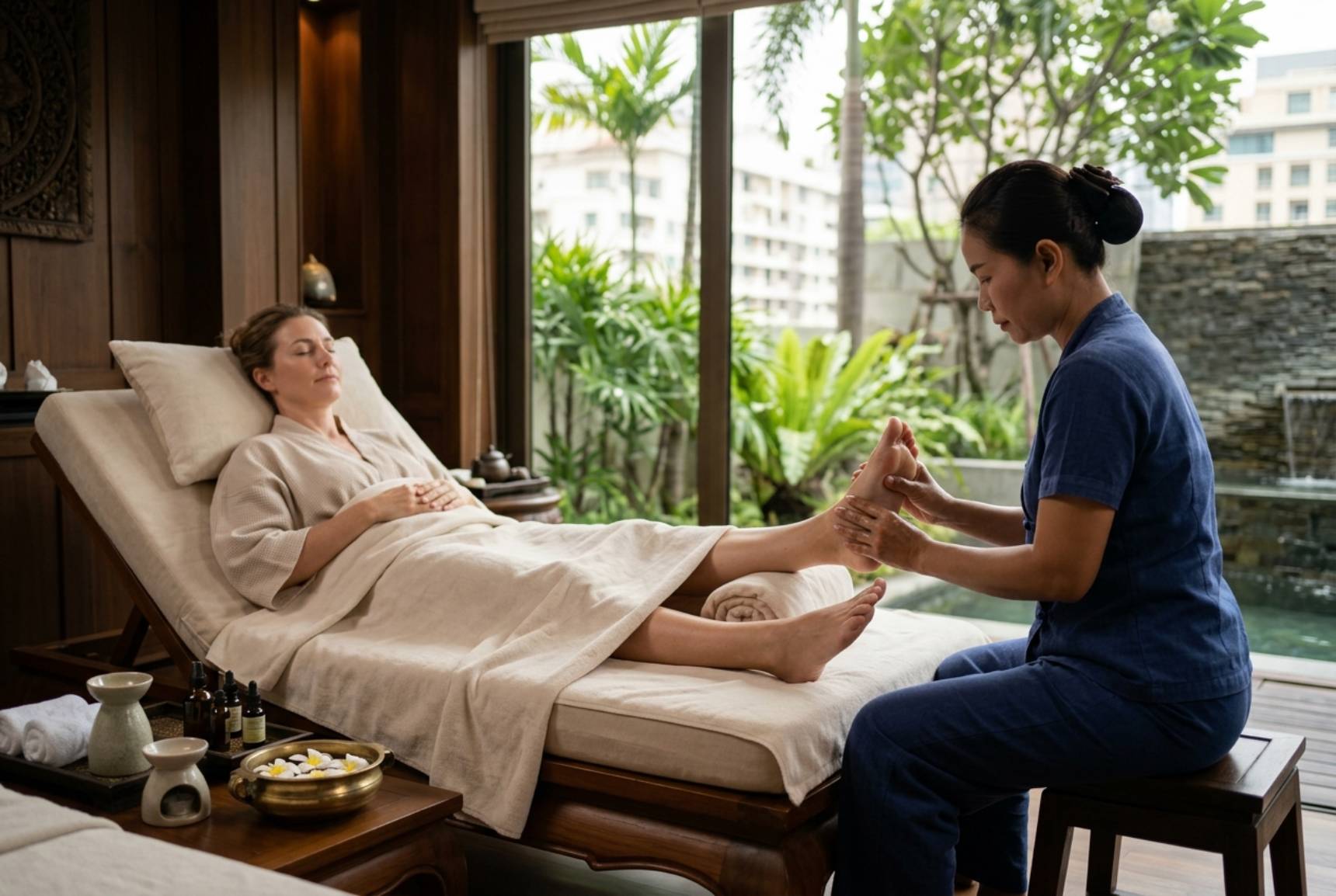
Sound has a powerful influence on how people experience their surroundings. The noise of traffic, ringing phones, and overlapping conversations can make it difficult to concentrate, while a quieter environment may help the mind settle.
In a spa setting, sound can be used thoughtfully to support relaxation. Soft instrumental music, gentle water sounds, or subtle ambient tones can provide a peaceful background without demanding the guest's attention.
Silence can be equally valuable. A treatment room does not always need continuous music or conversation. Some guests appreciate gentle guidance from their therapist, while others prefer a quieter session that allows them to rest without interruption.
The most effective approach is one that respects individual preferences. A brief conversation before treatment can establish whether the guest would like music, minimal conversation, or a particularly quiet atmosphere.
Certain head spa experiences also draw inspiration from contemplative sound traditions, including the use of singing bowls. Their resonant tones can become a point of attention, inviting guests to listen closely as the sound gradually fades. These experiences should be presented as sensory and relaxation practices rather than guaranteed medical therapies.
Silence itself can be understood as a form of space. It allows sensations to become more noticeable and gives the mind fewer external demands to process.
In a busy city such as Bangkok, where the pace of daily life can feel relentless, a deliberately peaceful environment offers a welcome contrast. It gives guests permission to stop responding, stop rushing, and simply experience the moment.
Aromatherapy and the Mindful Use of Scent
Scent is closely connected to memory, emotion, and personal associations. A familiar fragrance may evoke a peaceful place, a meaningful experience, or a feeling of comfort. This makes aroma an important sensory element in many spa rituals.
Meditation-inspired aromatherapy encourages guests to notice a fragrance without becoming preoccupied with identifying or analysing it. The experience might begin with the subtle scent of massage oil or the botanical notes present in a treatment room.
During an Aroma Oil Massage, a guest can simply observe whether the fragrance feels fresh, warm, floral, herbal, or woody. There is no correct response. The purpose is to pay attention to the sensory experience and allow it to complement the treatment.
The choice of fragrance should always be personal. Some guests enjoy herbal or citrus notes, while others prefer soft floral aromas or unscented products. Sensitivities and allergies should be considered before introducing aromatic products.
A thoughtful spa experience never assumes that one scent suits everyone. Instead, it treats fragrance as an optional element that can be adjusted according to comfort and preference.
Scent can also help establish a ritual. When the same gentle fragrance accompanies a regular self-care routine, it may become associated with taking time to rest. Over time, that familiar sensory cue can remind someone to slow down, even outside the spa.
At its best, aromatherapy is not about filling a room with a strong fragrance. It is about using scent with restraint, allowing it to contribute to the atmosphere without overwhelming the other senses.
Head Spa Treatments: A Journey Into Sensory Stillness
The head spa has become an appealing option for people who want to combine scalp care, hair wellness, and relaxation within one treatment. Beyond cleansing and nourishing the scalp, a well-designed head spa can provide an opportunity to experience focused attention through gentle touch, water, temperature, and sound.
The scalp, temples, forehead, and neck are areas where many people notice tension after long periods of working at a desk, using digital devices, or concentrating on demanding tasks. A professional scalp massage may help ease the sensation of tightness and provide a welcome period of rest.
A meditation-inspired head spa invites the guest to notice each stage of the treatment. The sensation of water, the movement of the therapist's fingers, the texture of cleansing products, and the gentle transition from one step to another can become part of a continuous sensory experience.
Rather than thinking about the treatment as a series of separate procedures, guests can allow their attention to follow the experience naturally.
For instance, they might notice the sound of water during cleansing, the light pressure of the scalp massage, or the feeling of warmth and comfort as the treatment progresses. If the mind wanders, attention can return to whichever sensation feels most calming.
House of Pridi's head spa offerings provide a natural setting for this approach to relaxation. Treatments such as the Classic Head Spa and Signature Scalp & Facial Spa bring together scalp and facial care in experiences that invite guests to devote time to personal well-being.
The important distinction is that a head spa does not need to become a formal meditation session. Its value can lie in creating an environment where guests are free to rest, notice their senses, and temporarily step away from the constant stimulation of daily life.
Warmth, Water, and the Comfort of Ritual
Warmth and water are familiar elements in spa treatments, yet their effects on the overall experience can be especially meaningful when they are introduced with care.
A warm towel placed gently over the face, the comfortable temperature of massage oil, or the soothing sensation of water during a head spa can create moments of physical comfort. These experiences also offer opportunities to become more aware of the body.
The mind often moves quickly from one concern to another. A sensory ritual can provide a simple point of focus: the warmth of the towel, the weight of a blanket, or the sensation of water moving over the scalp.
These details can make the transition into relaxation feel more natural. Rather than abruptly moving from a busy day into a treatment, the guest is gradually introduced to a different pace.
In a traditional Thai wellness setting, ritual also carries a sense of continuity. Thoughtful preparation, respectful communication, and a clear sequence of treatment steps can help establish a feeling of care and familiarity.
However, the comfort of these elements depends on individual preferences. Water temperature, towel warmth, and pressure should always be adjusted to suit the guest. Good spa practice prioritizes comfort, hygiene, and safety over the appearance of a ritual.
When handled thoughtfully, warmth and water become more than practical components of a treatment. They help create a sensory environment in which the guest can feel supported and at ease.
Mindful Facial Treatments and Skin Care
Facial treatments are often associated with visible results, including cleansing, hydration, and improved skin appearance. Yet the experience of receiving a facial can also provide an opportunity for quiet attention and relaxation.
A mindful facial begins with understanding the guest's skin needs and preferences. The treatment can then proceed through a series of considered steps, such as cleansing, applying appropriate products, and providing gentle facial massage when suitable.
Each stage offers a chance to focus on a different sensation. The coolness of a product, the light pressure of a facial massage, or the feeling of a freshly cleansed face can help bring attention back to the present moment.
The experience also encourages a gentler relationship with self-care. Instead of viewing skincare exclusively as a way to correct imperfections, guests can appreciate it as a regular act of looking after themselves.
At House of Pridi, facial services can complement this broader perspective on wellness. A Classic Facial Treatment offers an opportunity to combine skin care with a period of personal attention, while a Hydra Facial Treatment provides a more technology-focused approach to cleansing and hydration.
Although these treatments have different purposes and methods, both can be approached with an appreciation for comfort, professional care, and the value of taking time for oneself.
Mindful skincare does not mean expecting a facial to resolve every concern or produce immediate perfection. It means appreciating the process, choosing suitable treatments, and treating personal well-being as something that deserves consistent attention.
Designing a Space That Encourages Calm
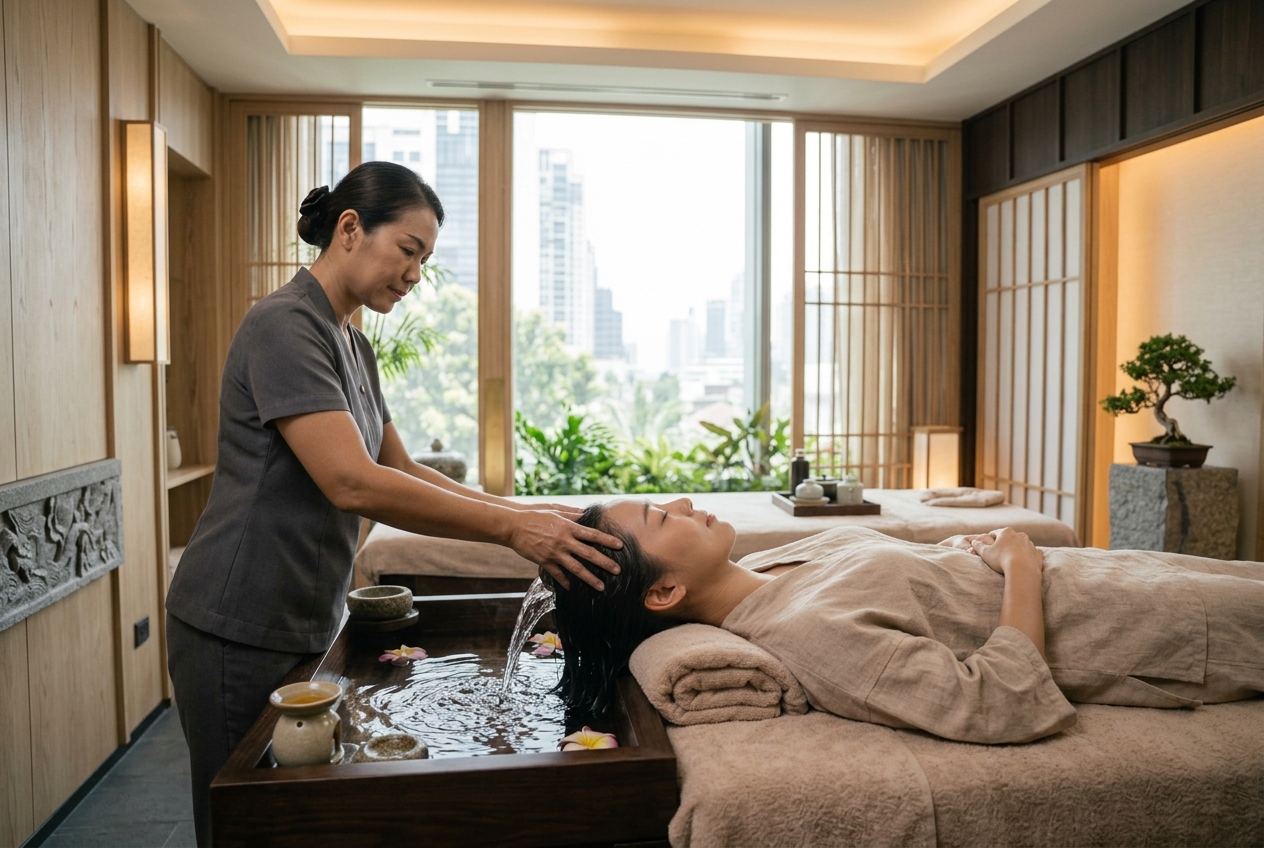
The physical environment plays an important role in shaping the spa experience. Lighting, temperature, room layout, sounds, and visual details can all influence whether a space feels restful or distracting.
A meditation-inspired spa environment does not need to be elaborate. In many cases, simplicity is more effective than decoration.
Soft lighting can create a gentler atmosphere than harsh overhead illumination. An uncluttered room can reduce unnecessary visual distractions, while comfortable furnishings and appropriate room temperatures help guests settle into the treatment.
Natural materials, understated colours, and carefully selected decorative elements can contribute to a sense of harmony. Water, wood, stone, and botanical details may be incorporated where appropriate, creating an environment that feels connected to nature without becoming visually overwhelming.
The use of scent and music should also be considered carefully. A pleasant fragrance or quiet soundtrack can enhance the experience, but excessive stimulation may distract from the treatment itself.
Privacy is equally important. Guests should feel comfortable asking questions, adjusting their position, communicating preferences, and relaxing without unnecessary interruptions.
For a heritage-inspired wellness space such as House of Pridi, the relationship between traditional Thai influences and contemporary comfort can offer a particularly inviting atmosphere. The intention is not to create a perfect meditation environment but to provide a setting in which guests can temporarily move away from the demands of everyday life.
True calm often comes from what a space leaves out: unnecessary noise, clutter, pressure, and interruptions.
The Role of the Therapist in a Mindful Spa Experience
A peaceful environment and carefully selected products can support relaxation, but the therapist remains central to the quality of the experience.
Mindful treatment begins with listening. Every guest arrives with different expectations, preferences, physical needs, and levels of familiarity with spa treatments. Some want focused muscle work, while others prefer a gentle, quiet session.
A thoughtful consultation allows the therapist to understand these differences before treatment begins. Questions about pressure, areas of concern, skin sensitivities, fragrance preferences, and desired levels of conversation help create a more personalized experience.
During the treatment, attentive communication remains important. A therapist should notice when an adjustment may be helpful and invite feedback without interrupting the experience unnecessarily.
Professional boundaries and respect are equally essential. Explaining what a treatment involves, obtaining consent, maintaining appropriate draping, and respecting privacy all contribute to a sense of safety and trust.
The therapist's movements can also reflect a mindful approach. Clear transitions, steady pacing, and careful attention to technique help make the session feel cohesive rather than rushed.
This does not mean every treatment must be slow. Some techniques require focused pressure or specific movements. Instead, mindfulness means applying the appropriate technique with awareness and adapting it to the individual guest.
When technical skill is combined with attentive care, the treatment becomes more personal. Guests can feel that their comfort matters, their preferences are respected, and their time has been given thoughtful consideration.
Bringing Mindfulness Into Your Spa Visit
Guests do not need previous meditation experience to benefit from a more mindful approach to spa treatments. A few simple choices can help make the visit feel more intentional.
Before the Treatment
Allow a little extra time to arrive without rushing. If possible, put your phone away and give yourself a few moments to settle before the session begins.
During the consultation, communicate what you would like from the experience. You might prefer lighter pressure, a quieter treatment, a particular fragrance, or additional attention to the shoulders and scalp.
Taking a few comfortable breaths before the treatment starts can also help mark the transition from daily responsibilities to personal care.
During the Treatment
Choose one sensation to notice at a time. It could be the rhythm of the massage, the temperature of a towel, the sound of water, or the movement of your breath.
There is no need to concentrate continuously. If your mind wanders, simply return your attention to the experience whenever you notice.
Allow yourself to receive the treatment without feeling that you must use the time productively. Rest does not need to be justified by completing another task.
If a technique feels uncomfortable or you need a change in pressure, temperature, or position, communicate with your therapist. Mindfulness includes paying attention to your own comfort.
After the Treatment
Give yourself a few quiet moments before immediately returning to messages, work, or travel plans. Notice how you feel physically and emotionally without expecting a particular result.
You might feel refreshed, sleepy, comfortable, or simply pleased to have taken time for yourself. Every response is valid.
Drinking water when appropriate, moving gently, and allowing a little breathing room in your schedule can help preserve the feeling of a more relaxed transition back into daily life.
These small practices turn a spa appointment into a more considered experience without requiring additional equipment, extensive preparation, or formal meditation training.
Extending the Feeling of Stillness Beyond the Spa
One of the most useful aspects of meditation-inspired wellness is that its principles can be incorporated into everyday life.
A spa treatment may provide a dedicated period of rest, but the habit of paying attention to the present moment can continue at home, at work, or while travelling.
A simple morning ritual can begin with a few comfortable breaths before checking a phone. During a busy workday, a short pause between tasks can provide an opportunity to relax the shoulders and notice physical tension.
At home, a warm shower, a gentle scalp massage while washing the hair, or a quiet skincare routine can become an opportunity to slow down rather than rush through another obligation.
Walking without constantly looking at a screen can also encourage awareness of the surroundings. Noticing the light, the sounds of the environment, or the feeling of each step can create a brief moment of connection with the present.
These activities do not replace professional massage, facial treatments, or dedicated wellness services. Instead, they complement them by encouraging a more consistent approach to self-care.
It is also important to remain realistic. Mindfulness does not eliminate stress or guarantee uninterrupted calm. Some days will feel busier than others, and the mind will continue to respond to responsibilities and challenges.
The purpose is not to achieve permanent stillness. It is to create opportunities to pause, recognize what is happening, and respond with a little more awareness.
Choosing the Right Meditation-Inspired Spa Treatment
The most suitable treatment depends on what you want from your visit, your personal preferences, and any relevant health or skin considerations.
For general relaxation: Aroma Oil Massage offers a sensory experience built around flowing massage movements and the optional use of fragrance.
For physical tension and mobility: Traditional Thai Massage combines assisted stretching and pressure techniques. Guests should discuss any injuries, mobility limitations, or concerns with their therapist before beginning.
For a focused head and scalp experience: A Classic Head Spa can provide a dedicated period of scalp care, massage, and sensory relaxation.
For combined scalp and facial care: A Signature Scalp & Facial Spa offers an opportunity to experience multiple forms of personal care within one treatment.
For skin-focused self-care: A Classic Facial Treatment or Hydra Facial Treatment may be appropriate depending on individual skin needs and treatment goals.
For concentrated muscle work: Deep Tissue Massage may suit guests seeking more targeted pressure, provided the technique is appropriate for their needs and remains comfortable.
Each treatment has its own purpose. Meditation-inspired elements are not a substitute for professional technique or an indication that every guest will experience the same response. Instead, they provide a way to approach the treatment with greater awareness and appreciation.
Before choosing a service, consider whether you want physical relief, scalp and hair care, a skin-focused treatment, or simply time away from your normal routine. A professional consultation can help you select an appropriate option.
Conclusion: Finding Stillness in a World That Never Stops
Stillness is not necessarily the absence of movement, sound, or thought. It is the opportunity to experience a moment without feeling compelled to rush toward the next one.
Within spa wellness, this idea can be expressed through many small details: the rhythm of a massage, the warmth of a towel, the scent of a familiar botanical ingredient, the sound of flowing water, or the simple act of noticing the breath.
When these elements are combined with professional skill, thoughtful surroundings, and personalized care, a spa visit can become a meaningful opportunity to reconnect with the body and step away from everyday demands.
At House of Pridi, guests can explore a variety of massage, facial, and head spa treatments in an elegant, heritage-inspired setting. Whether choosing a traditional Thai massage, an aroma oil treatment, or a restorative head spa experience, the invitation is the same: slow down, receive care, and make space for yourself.
In a world that often celebrates constant activity, choosing stillness can be a valuable act of self-care. Sometimes, the most meaningful part of a wellness journey is not doing more, but allowing yourself a moment to simply be.
Discover your moment of stillness at House of Pridi. Explore the available treatments and choose an experience that reflects your personal approach to relaxation, balance, and well-being.
Visit House of Pridi to discover the spa experience that is right for you.