

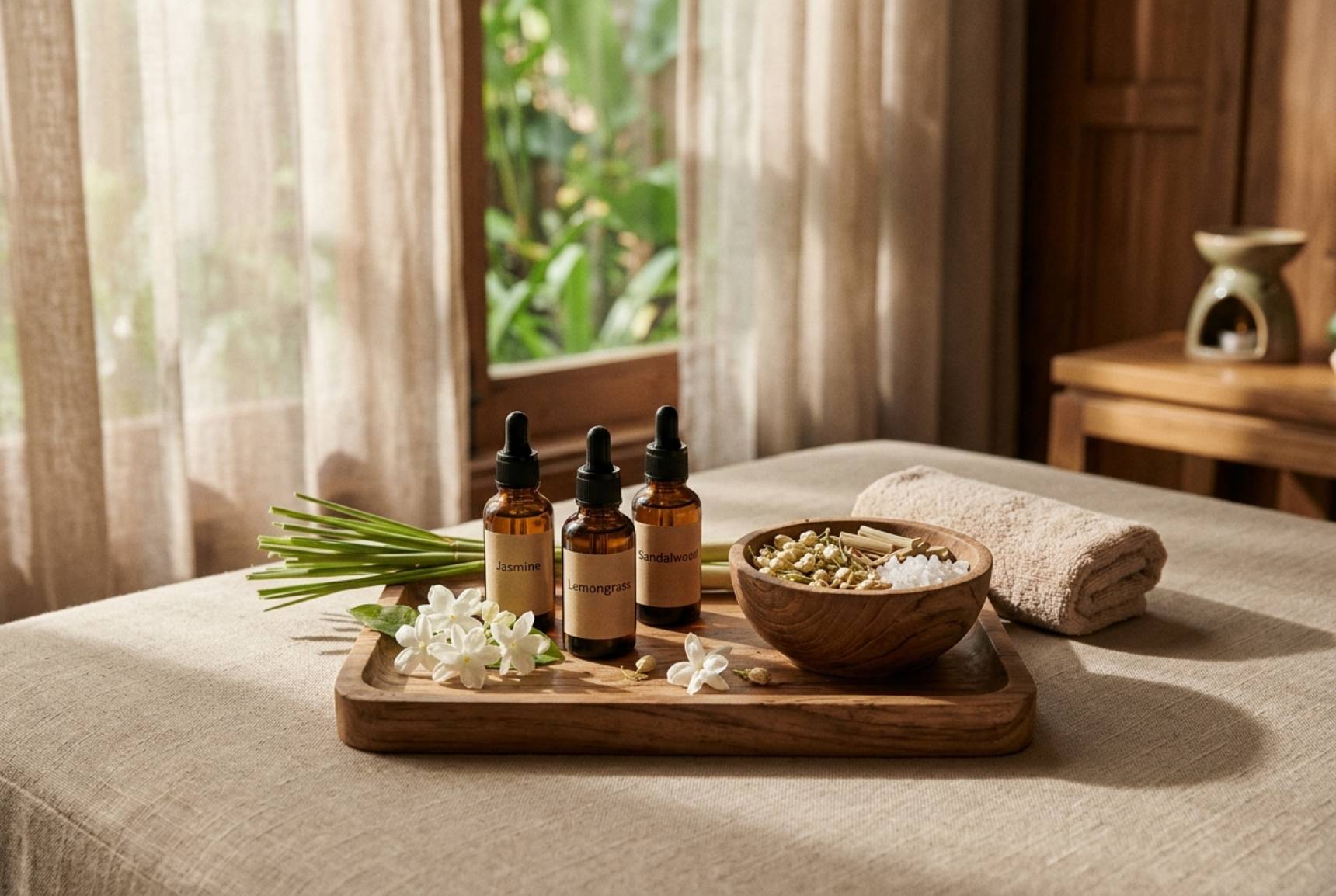
A familiar fragrance can transport us to another time in an instant. The delicate scent of jasmine may recall a peaceful garden, the aroma of fresh citrus may evoke a bright morning, while the warm, woody notes of sandalwood can bring to mind a quiet, comforting space. Unlike many other sensory experiences, fragrance has a remarkable ability to connect the present moment with memories and emotions from the past.
In the world of wellness, this connection between scent and memory plays an important role in shaping the spa experience. A spa is not defined solely by its treatments, interiors, or the expertise of its therapists. It is also shaped by the atmosphere guests encounter when they enter the space, including the subtle fragrances that accompany their journey toward relaxation.
At House of Pridi by Loft Thai Spa, where traditional Thai wellness influences meet contemporary spa experiences, fragrance can be appreciated as one element of a thoughtful sensory environment. From the aromatic oils used during massage to the peaceful atmosphere surrounding a treatment, scent has the potential to make a spa visit feel more personal, immersive, and memorable.
Understanding how fragrance influences perception reveals why the smallest sensory details can sometimes leave the deepest impressions.
The Powerful Connection Between Scent and Memory
Our sense of smell is closely connected to the parts of the brain involved in emotion and memory. When we encounter a fragrance, signals from the nose travel through the olfactory system, which communicates with areas including the amygdala and hippocampus. These brain structures play important roles in emotional processing and the formation and retrieval of memories.
This neurological connection helps explain why a particular scent can bring back a vivid recollection without warning. A perfume worn by someone we love, the smell of rain on warm earth, or the aroma of herbs used in a family kitchen may immediately evoke a feeling or experience associated with the past.
Such responses are deeply personal. A fragrance that feels comforting to one person may be unfamiliar or unpleasant to another, depending on individual experiences, cultural associations, and personal preferences.
In a spa setting, this relationship between scent and memory can influence how guests perceive their surroundings. A gentle botanical aroma may remind someone of a peaceful holiday, while a familiar herbal fragrance may create a sense of comfort. These associations can contribute to an experience that feels welcoming rather than simply luxurious.
The important point is that fragrance does not create the same response in everyone. Its influence depends on the individual, the environment, and the associations that develop over time.
How Fragrance Influences the Feeling of a Spa
A successful spa experience engages more than the physical body. Lighting, sound, temperature, textures, and scent work together to create an atmosphere that encourages guests to slow down and become more attentive to the present moment.
Fragrance can contribute to this atmosphere in several ways.
Creating a sense of calm
Soft, familiar aromas may help some people associate a space with comfort and relaxation. Lavender, for example, is widely used in relaxation products, while sandalwood is valued for its warm, woody character. When a fragrance is pleasant and not overpowering, it can help establish a soothing sensory environment.
The effect is influenced by personal preference, so the most suitable fragrance is not necessarily the most popular one. For some guests, a light floral scent feels calming. Others may prefer herbal, earthy, or almost imperceptible aromas.
Establishing a sense of place
Fragrance can give a spa its own sensory identity. The aroma encountered in a treatment room may become associated with the space, the quality of care, and the feeling of stepping away from everyday responsibilities.
Over time, repeated experiences can strengthen these associations. Returning guests may begin to recognize a familiar scent as part of their wellness ritual, helping them transition mentally from the pace of daily life into a quieter environment.
Encouraging mindfulness
Scent can also draw attention to the present moment. Noticing the gentle aroma of massage oil, the freshness of a botanical ingredient, or the subtle fragrance of a clean treatment room encourages awareness of the senses.
Rather than thinking about the next meeting, an unfinished task, or the journey home, guests may find themselves paying greater attention to their breathing, physical comfort, and immediate surroundings.
Fragrance alone cannot guarantee relaxation, but it can complement the other elements that make a spa environment feel peaceful and inviting.
Exploring the Fragrance Families of Spa Wellness
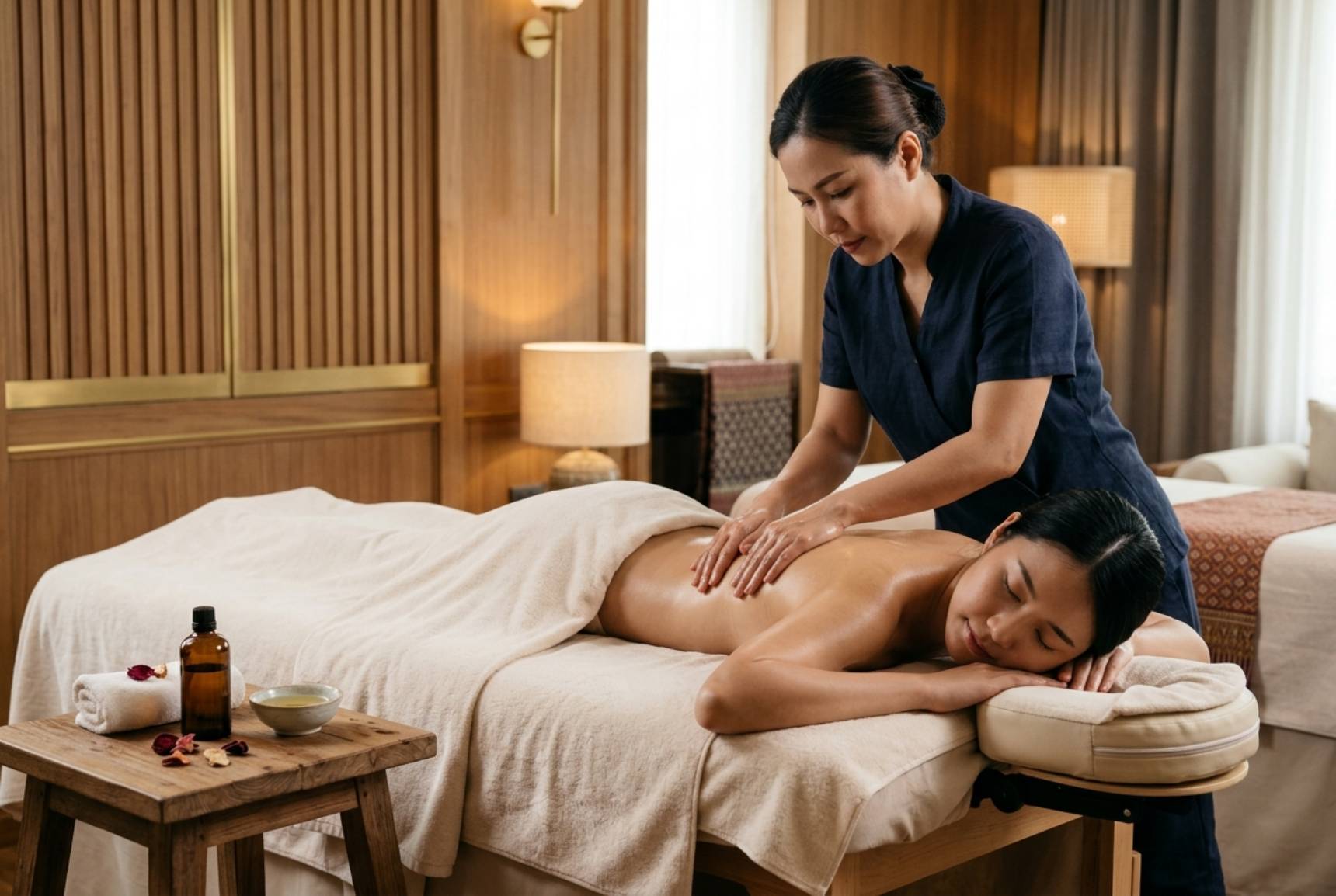
Different fragrance families create different sensory impressions. Although responses vary between individuals, understanding their characteristics can help guests discover the aromas they enjoy most.
Floral fragrances: Softness and familiarity
Floral aromas such as jasmine and rose are often associated with elegance, softness, and natural beauty. Their character can range from fresh and delicate to rich and expressive.
Jasmine, in particular, has a longstanding place in many Asian cultural and sensory traditions. Its distinctive floral character can evoke gardens, warm evenings, or familiar personal memories.
In a spa environment, floral fragrances may suit guests who enjoy a gentle, romantic, or botanical atmosphere. The intensity of the fragrance matters: a subtle aroma can feel inviting, while an overly strong scent may become distracting.
Herbal fragrances: Freshness and simplicity
Herbal aromas such as lemongrass, rosemary, and mint are often perceived as fresh, green, or invigorating.
Lemongrass is especially familiar in Thai culinary and botanical traditions. Its bright citrus-herbal character can evoke a sense of freshness and connect the sensory experience with the natural ingredients associated with Southeast Asian wellness.
These aromas may appeal to guests who prefer a clean, refreshing atmosphere rather than a sweet or heavily floral fragrance.
Woody fragrances: Warmth and grounding
Sandalwood and other woody notes offer a different sensory character. Their aromas are often described as warm, smooth, earthy, or softly resinous.
In a spa, woody fragrances can complement natural materials, subdued lighting, and understated interiors. Their character may create an impression of depth and quiet sophistication without demanding too much attention.
For guests who associate woody scents with familiar places or personal rituals, these fragrances may also evoke a sense of stability and comfort.
Citrus fragrances: Brightness and freshness
Bergamot, sweet orange, and other citrus aromas are commonly associated with brightness and freshness. Their lively character can make a space feel open, clean, and energetic.
A citrus fragrance may be especially appealing at the beginning of a treatment or in a setting designed to feel light and refreshing. However, the appropriate choice depends on the desired atmosphere and the guest's personal preferences.
Ultimately, fragrance families are useful starting points rather than fixed emotional categories. The same scent can create very different impressions depending on the person experiencing it.
The Role of Aromatic Oils in Massage
Aroma Oil Massage brings fragrance and touch together in a single wellness experience. The aromatic qualities of the oils become part of the treatment, while the massage itself offers an opportunity to pause and enjoy a period of dedicated personal care.
As the therapist applies the oil through smooth, flowing movements, the guest may become aware of its fragrance alongside the warmth of the room, the texture of the oil, and the rhythm of the massage.
This combination can make the treatment feel more immersive than a purely physical experience. Instead of concentrating on one sensation, guests experience several elements working together.
The choice of oil can also make the experience feel more individual. Someone who enjoys light botanical aromas may prefer a fresh herbal blend, while another guest may find a softer floral or woody fragrance more appealing.
At House of Pridi, Aroma Oil Massage offers an opportunity to enjoy this combination of aromatic oils and massage techniques within a tranquil, heritage-inspired wellness setting.
The experience is not about selecting a fragrance that promises a particular result. It is about finding a sensory environment that feels comfortable and appropriate to the individual.
Guests should also communicate any fragrance sensitivities, allergies, or preferences before treatment. Essential oils and fragranced products can irritate some people, and a fragrance-free alternative may be preferable for those with sensitivities.
Fragrance and the Art of Creating a Spa Ritual
A spa ritual is more than a sequence of treatments. It is an experience shaped by anticipation, atmosphere, repetition, and the opportunity to focus on personal well-being.
Fragrance can become an important part of that ritual because it offers a familiar sensory cue. When the same pleasant aroma is encountered repeatedly in a relaxing environment, the brain may begin to associate that scent with the experience.
Consider a guest who regularly chooses a particular aroma during massage. Over time, the fragrance may become connected with memories of quiet rooms, attentive care, and moments away from a demanding schedule.
On a future visit, encountering the same scent may remind the guest of those earlier experiences. This does not mean the fragrance automatically produces relaxation, but the familiar association can help make the experience feel recognizable and comforting.
The ritual can also extend beyond the spa itself. A person may enjoy a familiar fragrance while reading, practising gentle breathing, or preparing for sleep. When used consistently in a comfortable context, the scent can become part of a personal routine that signals a transition from activity to rest.
For this reason, the most meaningful spa rituals are often the ones that feel natural rather than elaborate. A quiet room, a preferred fragrance, and a few uninterrupted moments can be enough to make the experience feel special.
The Influence of Thai Botanical Traditions
Thailand has a rich relationship with aromatic plants, herbs, flowers, and natural ingredients. Fragrant elements appear in food, traditional practices, gardens, and everyday rituals, creating familiar sensory associations for many people.
Lemongrass, kaffir lime, jasmine, ginger, and other botanicals each possess distinctive aromatic qualities. Their familiarity can connect a wellness experience with the landscapes, ingredients, and cultural traditions of the region.
In a spa setting, botanical fragrances can provide a subtle reference to this heritage. A fresh herbal aroma may recall the ingredients of Thai cuisine, while a floral scent may evoke tropical gardens or traditional floral arrangements.
However, Thai-inspired fragrance does not need to be intense or complicated. A thoughtful approach focuses on balance, allowing individual aromas to complement the treatment rather than dominate it.
This balance is especially important in a city such as Bangkok, where guests may arrive after hours of travel, shopping, sightseeing, or work. A calm sensory environment can provide a welcome contrast to the activity outside.
At House of Pridi, the broader combination of Thai wellness influences and contemporary personal care creates a setting in which guests can enjoy a moment of calm while experiencing the atmosphere of Bangkok through a more intimate, sensory perspective.
Designing a Fragrance Experience With Intention
Creating a memorable fragrance experience requires more than introducing pleasant smells into a room. The choice, intensity, and placement of a fragrance all influence how it is perceived.
Keep the fragrance subtle
A spa should feel inviting, not overwhelming. Strong scents can distract guests, interfere with breathing comfort, or trigger headaches and sensitivities.
A lighter fragrance allows the other elements of the experience to remain noticeable, including the treatment itself, the music, and the natural atmosphere of the room.
Consider the purpose of the treatment
Different treatments may call for different sensory environments. A massage designed around gentle relaxation may be accompanied by a soft, understated aroma, while a refreshing treatment may suit a lighter botanical character.
The fragrance should support the intended atmosphere rather than compete with it.
Respect individual preferences
Not every guest enjoys the same aromas. Some people prefer floral notes, while others find them too sweet. Certain individuals may be sensitive to essential oils or fragranced products.
Offering choices, asking about preferences, and providing fragrance-free alternatives when possible can make the experience more welcoming.
Maintain a balanced environment
Fragrance works best when it complements the room rather than attempting to conceal unpleasant odors or dominate the atmosphere. Cleanliness, ventilation, comfortable temperatures, and thoughtful interior design remain essential.
A well-designed sensory experience allows each element to contribute naturally to the whole.
Can Fragrance Help You Relax?
Research into aromatherapy has explored how certain fragrances may influence subjective feelings of relaxation, mood, and stress. Some studies suggest potential benefits in particular contexts, but results vary according to the aroma, method of use, study design, and individual response.
It is therefore important to distinguish between a pleasant sensory experience and a guaranteed therapeutic outcome. A fragrance that helps one person feel calm may have little effect on another, and scent should not be considered a substitute for appropriate medical care.
Within a spa, the value of fragrance can be understood more broadly. It contributes to the atmosphere, encourages sensory awareness, and may help guests connect the treatment with a positive personal experience.
The combination of scent, touch, a peaceful setting, and time away from everyday demands can make a spa visit feel restorative. Each element contributes to the experience, without any single one needing to carry the entire responsibility for relaxation.
The most effective approach is to remain attentive to your own response. If a particular fragrance feels pleasant and comfortable, it may be a welcome part of your wellness routine. If it causes discomfort, there is no reason to continue using it.
Bringing the Memory of the Spa Into Everyday Life
One of the most interesting qualities of fragrance is that its associations can extend beyond the place where it was first encountered.
A guest may leave a spa remembering not only the massage or facial, but also the soft aroma that accompanied the treatment. Later, a similar scent may bring back a recollection of that quiet afternoon.
These associations can become part of a personal approach to everyday well-being.
For example, someone who enjoys a gentle botanical fragrance might choose to use a similar scent during a quiet evening at home. Another person may prefer to take a few mindful breaths while enjoying the aroma of fresh herbs or flowers.
The purpose is not to recreate the spa perfectly. It is to recognize how small sensory details can make everyday moments feel more intentional.
A few simple practices can help:
- Notice which fragrances you naturally enjoy rather than choosing them solely because they are popular.
- Pay attention to the memories or feelings a particular scent brings to mind.
- Keep fragrance use subtle, particularly in shared spaces.
- Choose products suitable for your skin and personal sensitivities.
- Associate pleasant aromas with routines that you already find comfortable, such as reading or taking a quiet break.
Over time, these small rituals may help create meaningful connections between scent, memory, and personal comfort.
Why the Smallest Sensory Details Matter
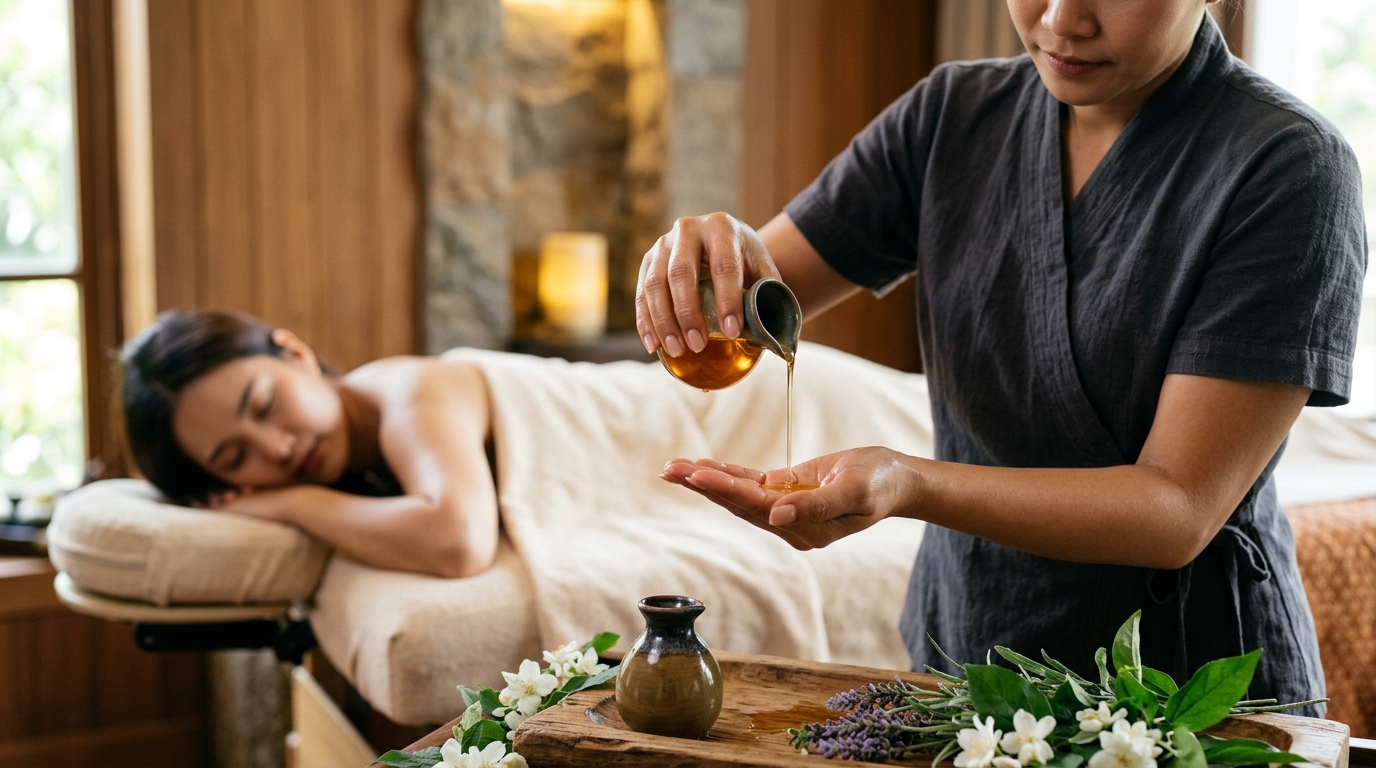
A memorable spa experience is rarely created by one feature alone. It emerges from the relationship between the environment, the treatment, the therapist's attention, and the guest's own expectations.
Fragrance is particularly interesting because it can be almost invisible while still contributing to the overall impression. A guest may not consciously identify every aromatic note, yet the atmosphere may remain in the memory long after the appointment ends.
This is one reason sensory details deserve thoughtful consideration in wellness environments. A comfortable treatment room, a suitable temperature, gentle lighting, pleasant aromas, and attentive service can work together to create a sense of coherence.
When these details are balanced, the guest is free to focus on the experience rather than the surroundings.
For a spa inspired by both Thai traditions and contemporary wellness, fragrance can also add another dimension to the connection between place and personal experience. It can evoke botanical familiarity, complement the textures and materials of the environment, and give a treatment its own distinctive character.
The result is not simply a room that smells pleasant. It is an experience that may become associated with a meaningful moment of rest.
Conclusion: A Fragrance That Becomes a Memory
Fragrance occupies a unique place in the relationship between the senses and memory. A single aroma can remind us of a person, a place, or an experience, sometimes bringing back emotions that words alone cannot easily describe.
In the spa environment, this connection offers an opportunity to make wellness feel more personal. Aromatic oils, subtle botanical notes, and a thoughtfully designed atmosphere can complement massage and other treatments, creating a sensory experience that guests may remember long after they leave.
At House of Pridi by Loft Thai Spa, the appreciation of wellness extends beyond the treatment itself. The setting, the experience of touch, and the sensory details surrounding each visit all contribute to the opportunity to slow down and reconnect with the present moment.
The most meaningful fragrance is not necessarily the rarest or most expensive. It is the one that feels right to the person experiencing it.
Sometimes, a quiet room and a familiar scent are enough to turn an ordinary afternoon into a lasting memory.
Discover a more thoughtful approach to personal well-being at House of Pridi, where massage, aromatic oils, facial care, and hair spa experiences invite you to pause and enjoy a moment of calm in Bangkok.
House of Pridi by Loft Thai Spa
Sukhumvit 71, Bangkok, Thailand
Explore our massage, facial, and hair spa treatments to discover your own sensory journey.
Every fragrance tells a story. Sometimes, the most beautiful part is the memory it leaves behind.